Expression Font: A Modern Typeface for Digital Branding
I was redesigning a landing page for a creative coaching service, stuck in the hero section. The client wanted warmth, authority, and a touch of personal connection—something modern but not cold, elegant but not overly formal. I opened a new Figma file, swapped out the generic sans serif headline, and typed "Transform Your Creative Practice" using Expression Font. The layout, which had felt static and corporate, instantly softened. The distinctive, fluid strokes of this script typeface brought a human, crafted quality to the digital space, without sacrificing clarity or impact. It was the perfect pivot.
The Digital Character of Expression Font
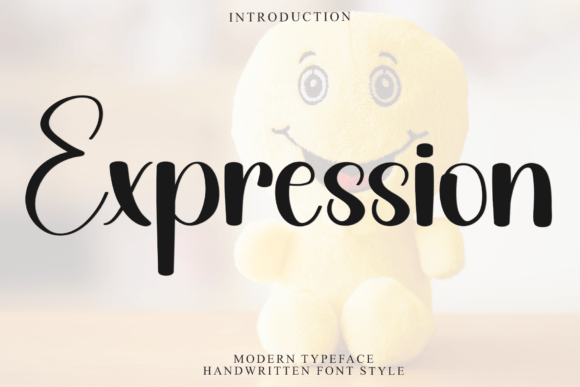
Expression Font is a beautiful and eye-catching display font designed with a soft, unique touch. In a digital context, its personality is immediately apparent. The strokes have a deliberate, contemporary flow—they are expressive but controlled, which is crucial for web design where consistency and scalability are key. It carries a mood of thoughtful creativity, perfect for brands that want to feel approachable and premium at the same time. This isn't a frantic, overly decorative script; it’s a modern typography tool with a special character that adds meaning and versatility to headlines, calls to action, and key branding elements.
Expression Font in Real Web Layouts
Testing a typeface in static mockups is one thing, but seeing it live in a browser across devices tells the real story. I’ve used Expression Font in several recent projects, and its performance has been consistently strong.
For a boutique online store selling handmade ceramics, Expression Font became the hero font for category banners and product collection titles. Paired with a clean, minimalist sans serif for product descriptions and UI text, it created a visual hierarchy that felt both artistic and easy to navigate. On the product landing page for a digital photography course, the font was used for the main headline "Capture With Confidence" and the sub-headings throughout the sales page. Its soft authority helped convey the course’s value—professional yet personal.
In web design, this font excels in specific areas:
- Hero Sections & Landing Page Headlines: Its eye-catching nature draws immediate attention while setting a tonal mood.
- Call-to-Action Buttons: For shorter phrases like "Start Your Journey" or "Download the Guide," it adds decorative emphasis without becoming illegible.
- Section Headings & Blog Post Titles: It breaks up long pages of body copy with visually engaging anchors.
- Logo Text & Digital Brand Kits: For many creative businesses, SaaS startups, or coaching services, Expression Font can serve as a foundational part of a logo used online, carrying that identity into social media graphics and email headers.
Readability and Responsive Considerations
Any display font needs to pass the usability test, especially on mobile. Expression Font holds up well, but with intentional application. Its distinctive strokes remain clear at standard headline sizes, even on smaller screens. I recommend using it at a size that allows its character to shine—typically nothing smaller than 24px for mobile, and larger for desktop hero areas.
For backgrounds, it performs elegantly over both light and dark images, provided there’s sufficient contrast. When placing it over photographic banners, a slight increase in weight or a careful choice of image contrast is advised to maintain readability. It’s not suitable for long body copy, small navigation text, form labels, or any accessibility-critical interface elements where clarity is paramount. In those cases, pairing it with a highly legible sans serif or simple serif font is essential for a balanced and functional layout.
Strategic Font Pairing for Digital Identity
Expression Font shines when supported by a strong, neutral counterpart. For most web projects I’ve used it in, the pairing was straightforward:
- A clean, geometric sans serif (like Inter or Poppins) for all body text, UI elements, and paragraphs. This creates a modern, readable foundation.
- A simple, classic serif font (like Merriweather or Lora) for longer editorial content, like blog posts, if the brand leans more towards traditional authority.
- For a purely creative digital identity, like a portfolio site, it can even be paired with a different handwritten font for secondary accents, though this requires careful weight and style contrast to avoid visual competition.
This pairing strategy ensures the website maintains strong visual hierarchy—the decorative font captures emotion and focus, while the supporting typeface ensures seamless scanning and reading.
Where Expression Font Might Not Fit
Being honest about a font’s limits is part of a professional review. Expression Font is a display asset. It would struggle in dense dashboard layouts, technical SaaS interfaces, or any environment where information density and speed of comprehension are the top priorities. Its decorative nature also means it’s not the best choice for legal disclaimers, footer text, or any lengthy terms and conditions on a website. For those elements, always default to your most legible body font.
Technical and Licensing Checks for Web Use
Before integrating any font into a live website or client project, a few practical checks are non-negotiable. For Expression Font, and any font in the Script Amp category, confirm the available file formats. Typically, you’ll need OTF/TTF for design software and possibly WOFF/WOFF2 files for direct webfont implementation. Check if the license includes web use—many commercial font licenses cover embedding in websites, but it’s essential to verify this for your specific use case, especially if you’re designing for a client’s online store or a high-traffic landing page.
Also, look at the font’s included styles. Does it have multiple weights? While many script fonts are single-weight, alternates or ligatures can add flexibility for logo design. Check multilingual support if your client’s audience is global. These details ensure the font is not just beautiful but also a robust, reliable asset in your web design toolkit.
Ultimately, Expression Font offers a way to infuse digital spaces with a sense of crafted personality. It bridges the gap between the polished needs of modern web design and the human touch that so many online brands seek. When used strategically—for headlines, branding moments, and key calls to action—it can transform a functional layout into an engaging brand experience.